Tag: Ai Sales Automation

Ai Sales Automation

What is AI sales automation?

AI sales automation refers to the use of artificial intelligence and machine learning to automate, optimize, and scale sales tasks and workflows. Instead of manual effort to qualify leads, personalize outreach, forecast revenue, or coach reps, AI systems analyze data, predict outcomes, and take actions — from triggering personalized emails to routing high-value leads to the right rep. The result is faster sales cycles, higher conversion rates, and more consistent pipeline growth.

Why AI sales automation matters for businesses

Sales teams face mounting pressure to do more with less: shorter attention spans, larger data volumes, and higher expectations for personalization. AI sales automation addresses these challenges by:

  • Prioritizing the right leads: AI lead scoring ranks prospects by conversion probability so reps focus on high-impact opportunities.
  • Scaling personalization: Automated, AI-powered email and message personalization increases reply rates without manual copywriting for each prospect.
  • Improving forecasting and planning: Predictive analytics reduce uncertainty in pipeline and revenue forecasts.
  • Speeding repetitive workflows: Automating meeting scheduling, follow-ups, and CRM updates frees sellers for high-value conversations.
  • Enabling data-driven coaching: Conversation intelligence surfaces coaching opportunities and best practices from recorded calls.

Core applications and real-world examples

1. Lead scoring and predictive prioritization

AI models ingest historical CRM, engagement, and firmographic data to predict which leads are most likely to convert. Platforms like Salesforce Einstein, HubSpot predictive scoring, and tools such as 6sense and MadKudu are widely used to automate lead prioritization. A B2B SaaS seller can automatically route high-propensity accounts to enterprise reps while nurturing lower-scoring leads with drip campaigns.

2. Automated outreach and email personalization

Tools like Outreach, SalesLoft, and personalization assistants such as Lavender or Reply.io use AI to craft subject lines, suggest message variants, and sequence follow-ups. For example, an account executive can launch a 6-step cadenced campaign that automatically adapts messaging based on reply behavior and predicted response likelihood.

3. Conversational AI, chatbots, and virtual assistants

AI chatbots engage website visitors, book meetings, qualify leads, and hand off warm prospects to agents. Popular platforms include Drift, Intercom, and Conversica. An ecommerce brand might recover abandoned carts and convert visitors with a conversational flow, while a B2B site uses a bot to capture intent and schedule demos.

4. Meeting scheduling and routing

AI-powered schedulers and routing tools reduce friction in booking demos. Solutions like Calendly (with embedded automation), Clara-style assistants, and Chili Piper route inbound leads and instantly book time with the appropriate rep based on territory, product, or deal size.

5. Conversation intelligence and coaching

Platforms such as Gong and Chorus.ai transcribe sales calls, surface patterns that win or lose deals, and recommend coaching interventions. Sales managers use these insights to replicate successful behaviors across the team, reducing ramp time for new reps.

6. Sales analytics and forecasting

AI models in CRMs like Microsoft Dynamics 365 Sales and specialized analytics stacks predict pipeline velocity and revenue with higher accuracy than manual methods. Integrating with BI tools and dashboards gives leadership confidence when planning quotas and quotas adjustments.

7. Data enrichment and account intelligence

Enrichment tools such as Clearbit, ZoomInfo, and Apollo provide up-to-date firmographic and technographic signals to improve targeting. Combined with AI, these signals boost the relevance of automated outreach and account-based marketing efforts.

Concrete business use cases

  • B2B SaaS: A company integrates predictive lead scoring + automated outreach to increase MQL-to-SQL conversion by 25%, sending high-intent accounts directly to AE pipelines while automating nurture for the rest.
  • Enterprise sales: Global sales orgs use conversation intelligence to standardize best practices discovered from top performers, reducing average deal close time.
  • Ecommerce: Online retailers deploy AI chatbots to recover abandoned carts, handling thousands of interactions per day and lifting revenue with minimal human staffing.
  • SMBs: Small teams use AI-enabled CRMs (HubSpot, Pipedrive + AI add-ons) to automate data entry, schedule demos, and personalize outreach without additional headcount.

Implementation best practices

To get the most from AI sales automation, follow these practical steps:

  • Start with clean data: AI models are only as good as the data they learn from. Regularly deduplicate and standardize CRM records.
  • Integrate the stack: Ensure your CRM, engagement platform, enrichment tools, and analytics are connected for end-to-end automation.
  • Pilot and measure: Run small experiments, track lift (response rate, conversion, time-to-close), and scale what works.
  • Train your team: Combine automation with human oversight. Teach reps how to interpret AI recommendations and override when necessary.
  • Respect privacy and compliance: Follow GDPR, CCPA, and any sector-specific rules when using customer data for automation.

Challenges and ethical considerations

AI sales automation provides big efficiency gains but raises important concerns:

  • Bias and fairness: Predictive models can replicate historical biases; auditing and fairness checks are essential.
  • Over-automation: Too many automated touches can alienate prospects—balance personalization with human connection.
  • Data governance: Secure customer data and implement clear retention policies to maintain trust.

Where to learn more and related resources

Explore related categories for deeper guides and tool roundups: AI Automation, AI for Business, and AI Productivity. If you’re building AI-driven sales workflows or agents, the AI Agents and AI Builders categories are great places to start. For customer experience and media-driven outreach, check AI Video and AI Design.

Related tag resources and tool retrospectives are available for deeper use-case studies: ai agents automation, ai agents business, ai agents workflow, agency ai tools, and ai analytics dashboard.

Final thoughts

AI sales automation is no longer a futuristic add-on—it’s a practical, high-impact strategy for modern revenue teams. By combining predictive intelligence, automated outreach, conversational AI, and analytics, organizations can reduce manual work, improve conversion rates, and scale personalized experiences. Start with targeted pilots, keep a close eye on data quality and ethics, and iterate rapidly: the right AI investments will turn repetitive sales tasks into repeatable growth engines.

Are AI Sales Automation Tools the Reason Your Competitors Are Outselling You?

Your sales team works hard but competitors close faster while your pipeline…

NetBix Labs

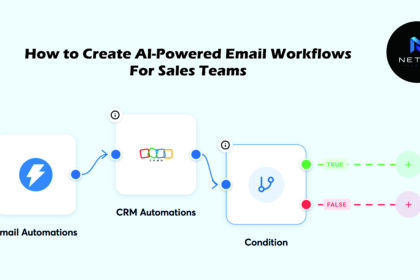
How to Create AI-Powered Email Workflows for Sales Teams

Learn how to build an AI sales automation system that personalizes outreach,…

Iqbal