If you work in content marketing, you have seen the headlines claiming that artificial intelligence is about to make your entire profession obsolete, but the reality of AI agents for content creation is far more nuanced than either the hype or the panic suggests.
Content creation is the process of generating topic ideas, researching, writing, editing, designing visuals, and distributing across channels.
AI agents for content creation can now handle most of these stages, but they do not eliminate the need for human creativity.
Google Cloud’s ROI of AI Study found that content generation is one of the top three use cases for AI agents across industries, with 52% of organizations actively using AI for content tasks.
PwC’s 2026 AI Business Predictions found that 66% of companies using AI report productivity gains, and content creation is the category with the fastest adoption curve.
BCG’s Widening AI Value Gap report found that only 5% of companies capture significant AI value, and those companies use AI agents not to replace creators but to multiply their output.
What AI Content Agents Actually Produce
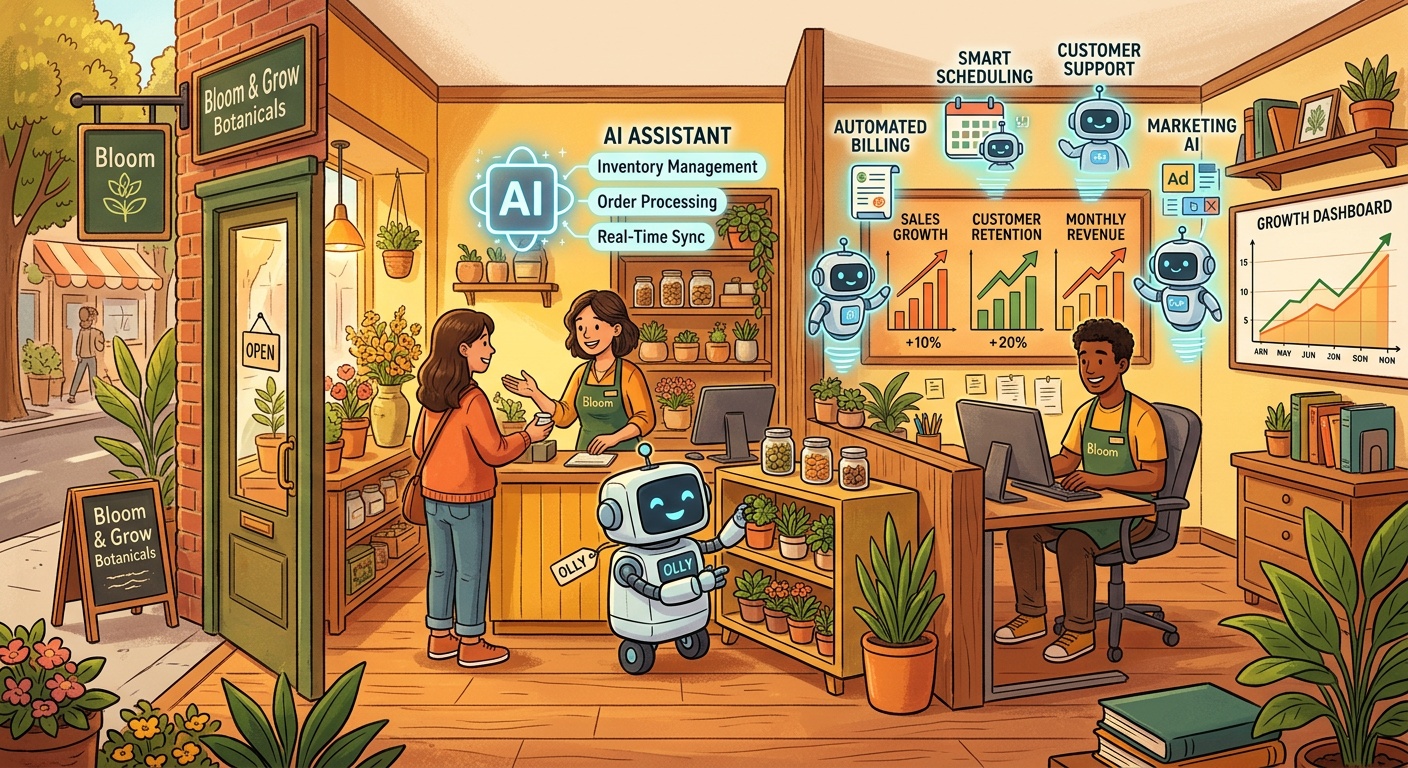
An AI agent for content creation in 2026 can research a topic, generate a 2,000-word article, create accompanying visuals, optimize for SEO, schedule social media posts, and track performance metrics.
It does all of this autonomously, following guidelines you set once.
The content is not perfect out of the box—it requires human editing, fact-checking, and strategic direction.
But an AI content agent can produce the rough draft of ten articles in the time it takes a human writer to produce one.
That changes the economics of content marketing completely.
Small businesses using AI agents for content report being able to maintain a consistent publishing schedule that was previously only possible with a dedicated marketing team.
The Quality Question
The most common objection to AI-generated content is quality, and it is a fair concern.
AI agents for content creation produce grammatically correct, well-structured content that is often indistinguishable from human writing on routine topics.
But they lack original insight, lived experience, and genuine perspective.
The content agents perform best when they are given a human’s outline, research notes, or key arguments and asked to expand them into full drafts.
MIT’s Project NANDA study found that 95% of custom-built agent projects failed, but buying proven content AI tools from specialized vendors succeeded 67% of the time.
The lesson is that the tools work—but they work best as collaborative partners, not replacements.
The best AI agents for content creation are designed for this human-in-the-loop workflow.
The Data Content Creators Should Watch
Gartner estimates that by 2027, 40% of agentic AI projects will be canceled due to poor planning.
For content creation, the cancellations happen when businesses expect AI agents to produce publish-ready content with zero human input.
The businesses that succeed use AI agents for volume and speed, and humans for quality and voice.
MarketssandMarkets projects the agentic AI market to reach USD 93.2 billion by 2032.
The content creation segment is a significant driver of this growth because every business needs content, and AI agents make it dramatically cheaper to produce.
Salesforce research shows that 71% of marketing time is spent on non-strategic tasks—exactly the tasks that AI content agents can automate.
Watch: AI Agents for Content Creation
The Future of Content Is Hybrid
AI agents for content creation will not replace writers and designers.
They will replace writers and designers who do not use AI agents.
Creators who combine their unique human perspective with AI’s speed and scale will produce more content, better content, and more effective content than those who rely on either human-only or AI-only approaches.
The creators who understand this are already pulling ahead.
And the ones who refuse to adapt are falling behind faster than they realize.