Tag: Customer Service Automation

Customer Service Automation

What is customer service automation?

Customer service automation refers to the use of software, artificial intelligence (AI), and robotic process automation (RPA) to perform repetitive, rule-based, or data-driven customer support tasks without continuous human intervention. Automation can range from simple macros and IVR menus to advanced AI-driven chatbots, virtual agents, and intelligent routing systems that understand context, sentiment, and intent.

Why customer service automation matters

In modern business environments, customers expect fast, personalized, and available-24/7 support. Automating customer service helps companies meet these expectations while reducing costs and improving consistency. Key benefits include:

  • Faster response times: Automated bots and workflows provide instant answers to common queries, lowering first response time and perceived wait.
  • Scalability: Automation scales support capacity during peak demand without proportional increases in headcount.
  • Cost reduction: Reduces cost per contact by handling routine interactions automatically and freeing human agents for complex cases.
  • Improved accuracy and compliance: Standardized processes reduce human error and ensure consistent adherence to policy.
  • Data-driven insights: Automated systems capture rich interaction data for analytics, enabling continuous improvement and personalization.

Common applications of customer service automation

Businesses apply automation across the entire customer support lifecycle. Major application areas include:

  • Chatbots and conversational AI: Provide answers, guide users through tasks, and escalate when needed.
  • Automated ticketing and triage: Classify, prioritize, and route tickets to the right team using AI-driven intent detection.
  • Self-service portals and knowledge bases: Dynamic content delivery and smart search reduce live contacts.
  • IVR and voice bots: Voice-enabled automation handles routine calls, payments, and status checks.
  • Agent assist and co-pilot tools: Real-time suggestions, auto-draft replies, and relevant knowledge snippets help agents resolve issues faster.
  • Follow-up and lifecycle automation: Automated surveys, reminders, and churn prevention workflows keep customers engaged.

Concrete examples and real-world tools

Here are several concrete use cases and the platforms commonly used to implement them:

  • 24/7 FAQ and onboarding chatbot — Companies use platforms like Dialogflow, Microsoft Bot Framework, or SaaS products such as Intercom and Ada to answer common questions, provide onboarding checklists, and deliver links to relevant resources.
  • Automated ticket triage and routing — Tools like Zendesk, Freshdesk, or Salesforce Service Cloud with built-in AI can analyze incoming tickets, extract intent and urgency, and automatically assign to the appropriate queue or skill group.
  • AI-powered agent assistants — Solutions such as Gong, Observe.AI, or vendor features in Salesforce provide real-time prompts, suggested responses, and knowledge snippets while an agent is interacting with a customer.
  • Voice automation and IVR enhancementsAmazon Lex, Google Dialogflow CX, and platforms like Genesys or Five9 power intelligent voice bots that handle routine call flows and collect context before handing off to a human.
  • Robotic process automation for backend tasks — RPA platforms like UiPath, Automation Anywhere, and Blue Prism automate account lookups, form filling, and cross-system updates that previously consumed agent time.
  • Sentiment analysis and quality monitoring — Services like AWS Comprehend or MonkeyLearn detect customer sentiment and escalate negative experiences for human review.

Use cases by industry

  • Retail: Order tracking bots provide status updates and handle returns without agent involvement.
  • Banking & finance: Automated identity verification, balance inquiries, and transaction dispute triage secure and accelerate case handling.
  • Telecom: Self-service troubleshooting, plan changes, and outage reporting cut down contact volumes.
  • Healthcare: Appointment scheduling, eligibility checks, and pre-visit questionnaires automate repetitive patient interactions.

How to implement customer service automation successfully

Effective automation is not a one-off project; it’s an ongoing program. Follow these best practices:

  • Start with high-frequency, low-complexity tasks: Automate FAQs, status checks, and common forms to quickly demonstrate ROI.
  • Design clear escalation paths: Ensure seamless handoff to humans when intent detection confidence is low or emotional signals indicate escalation.
  • Integrate with core systems: Connect automation to CRM, order management, and billing systems to surface real-time data and enable actions.
  • Monitor and iterate: Use analytics to measure CSAT, first contact resolution, and resolution time, then refine intent models and workflows.
  • Prioritize privacy and compliance: Secure PII and conform to regulations such as GDPR or HIPAA in relevant sectors.

Challenges and considerations

Automation delivers value but introduces risks if not carefully managed. Key considerations include:

  • Accuracy and misunderstandings: Weak intent models can frustrate customers—always allow easy access to human support.
  • Bias and fairness: AI models trained on biased data can make unfair decisions; audit models regularly.
  • Integration complexity: Legacy systems may require middleware or RPA to enable end-to-end automation.
  • Change management: Staff training and clear role updates are needed as the nature of agent work shifts toward higher-value tasks.

Emerging trends and the future of automated customer service

Expect automation to become more conversational, proactive, and multimodal. Trends include:

  • AI agents and autonomous workflows: Composable agents that combine LLMs, retrieval-augmented generation, and RPA to complete multi-step customer processes.
  • Hyper-personalization: Using customer data and predictive models to tailor responses and offers in real time.
  • Seamless human-AI collaboration: Tools that let agents supervise AI output and intervene smoothly when needed.

Learn more and related resources

To explore implementation strategies and broader automation topics, visit our AI Automation category. For deeper reading on adjacent concepts, see these related tags:

Customer service automation is no longer optional for organizations aiming to compete on experience and efficiency. By combining conversational AI, RPA, and smart routing, businesses can deliver faster, smarter, and more personalized support while freeing human agents to focus on complex, high-value customer interactions.

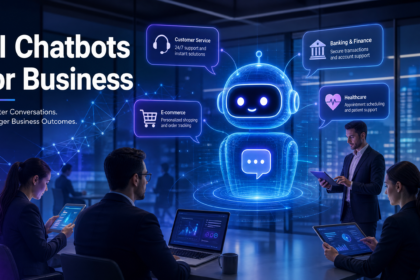
AI Chatbots for Business: Complete Guide to Transforming Customer Service and Operations

Discover how AI chatbots for business can reduce support costs by 40-50%,…

Iqbal

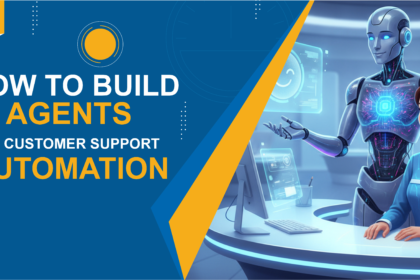
How to Build AI Agents for Customer Support Automation

Learn how to build an AI agent for customer support automation using…

Iqbal